
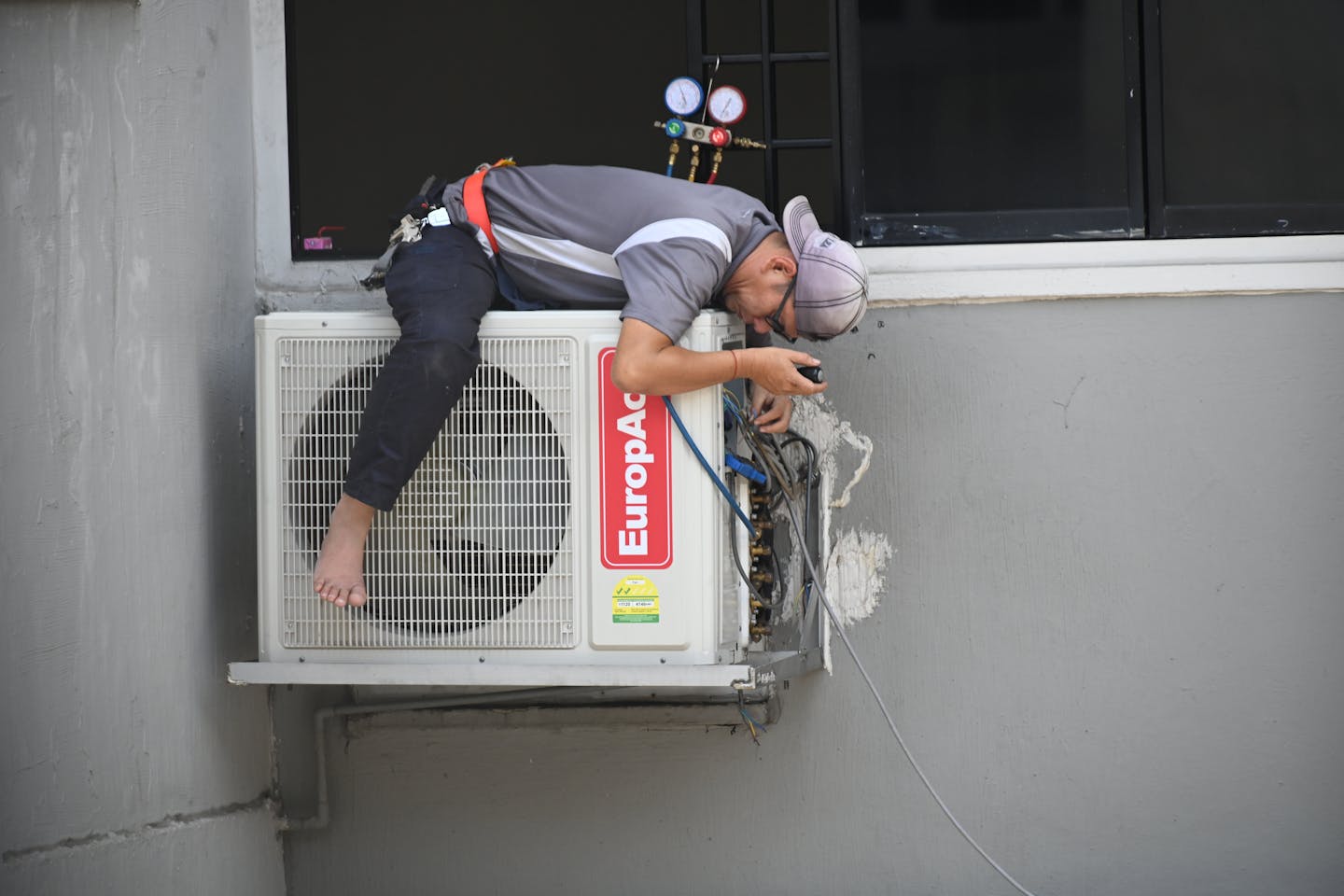
It’s September 28th. The first cold snap just hit, and your phone is ringing off the hook with furnace calls. Great problem to have — except you’re already booked solid for two weeks. You’re turning away work or pushing customers into October. This is the reality for contractors who don’t have seasonal marketing campaigns running automatically — and it costs them thousands every year.
Meanwhile, the HVAC company across town sent a “Schedule Your Furnace Tune-Up” campaign to their entire customer list three weeks ago. Their September was packed before the cold even arrived. They didn’t scramble — their automated seasonal campaign fired on September 1st, same as it did last year and the year before, without anyone on their team touching a button.
That’s the difference between reactive and proactive seasonal marketing. One approach leaves money on the table every year. The other builds a predictable revenue engine that compounds season after season. And the best part? You set it up once, and it runs every year.
Key Takeaways
- Every trade has 3–5 predictable seasonal peaks per year. As a result, automated campaigns that fire on calendar dates reach customers before the rush — filling your schedule when it matters most.
- Segmented campaigns sent to past customers by service type (“everyone who got an AC install in the last 3 years”) generate 3–5x higher response rates than generic blasts to your whole list.
- For example, a single seasonal campaign for furnace tune-ups can generate $15,000–$40,000 in revenue from your existing customer base — with zero ad spend.
- Build it once, and it runs every year. The same campaign fires next September without anyone on your team remembering to hit send.
Why Seasonal Marketing Fails for Most Contractors
Contractors don’t fail at seasonal marketing because they don’t know the seasons exist. Every HVAC tech knows furnace season is coming in October. Every plumber knows frozen pipes are a December risk. However, the real problem is execution.
The “I’ll Do It Next Week” Trap
In August, you think: “I should send something about furnace tune-ups in September.” Then August gets busy. September arrives and you’re already in it — handling calls, managing techs, putting out fires. By the time you remember the campaign, it’s mid-October and your customers already booked their tune-up with someone who asked first.
This happens every single year. It’s not because you’re disorganized — it’s because you’re busy running a business. Seasonal marketing requires thinking about next month while this month is on fire. That’s an unfair ask for a contractor who’s also dispatching techs, reviewing estimates, and occasionally picking up a wrench.
The Generic Blast Problem
When contractors do send seasonal campaigns, they often blast their entire list with the same message. “Fall is here! Schedule your furnace tune-up!” goes to every contact — including the customer who just had their furnace replaced last month, the one who only uses you for plumbing, and the lead who never converted two years ago.
Generic blasts feel like spam because they are spam. Consequently, they train your customers to ignore your messages. The response rate reflects it — generic email campaigns average 1–2% click rates for service businesses. That’s barely worth the effort of writing the email.
The One-and-Done Mistake
Even contractors who send a timely, relevant campaign usually send one message. One email, one time. But marketing data consistently shows that most conversions happen on the second or third touch. A single message gets a 15–20% open rate. In contrast, a three-message sequence over two weeks can double or triple your bookings from the same list.
Manual follow-up sequences don’t happen because nobody has time to write three emails and remember to send them on the right days. Therefore, automation solves all three problems — timing, targeting, and follow-through — simultaneously.
How Automated Seasonal Campaigns Work
An automated seasonal marketing campaign is a pre-built sequence of messages that triggers on a specific date, reaches the right customers based on their service history, and follows up automatically until they book or the campaign window closes.
Here’s the basic structure:
1. Calendar Trigger
Each campaign is set to fire on a specific date. For instance, September 1st for furnace tune-ups, April 1st for AC checks, and November 15th for pipe winterization. The date is fixed — the automation engine checks the calendar and launches the campaign without human involvement.
For weather-sensitive campaigns, you can also layer in temperature triggers. If the first frost hits early, the pipe winterization campaign fires early. Similarly, if spring comes late, the AC campaign adjusts. This is more advanced, but the technology exists and works.
2. Smart Audience Segmentation
Instead of blasting your entire list, the automation queries your CRM for the right audience. For a furnace tune-up campaign, that might include:
- All customers who’ve had HVAC work done in the past 3 years
- Minus anyone who already has a tune-up scheduled
- Minus anyone who had their furnace replaced in the past year (they don’t need a tune-up yet)
- Plus any leads who inquired about HVAC but never converted
This targeting means every recipient gets a message that’s actually relevant to them. As a result, the response rate difference is dramatic — segmented campaigns generate 3–5x higher engagement than generic blasts because the customer thinks, “Oh right, I do need to get that done.”
3. Multi-Touch Sequence
Each seasonal campaign runs as a sequence, not a single message. A typical campaign sends three touches over 10–14 days:
Day 1 — The Heads-Up (Email + SMS): “Fall is around the corner. If it’s been a year or more since your last furnace tune-up, now’s the time to get it scheduled before the rush. Reply to this text or click below to book. — Summit HVAC”
Day 5 — The Value Add (Email): “3 signs your furnace needs attention before winter” — educational content that positions you as the expert. Ends with a scheduling CTA. Only sent to people who didn’t book after Day 1.
Day 10 — The Last Call (SMS): “Hey [Name], our September tune-up slots are filling up fast. Want us to save you a spot? Reply YES and we’ll get you on the schedule. — Summit HVAC” Only sent to people who didn’t book after Day 1 or Day 5.
The key detail: each subsequent message only goes to people who haven’t yet booked. Once a customer schedules their tune-up, they’re automatically removed from the campaign. No annoying follow-ups after they’ve already taken action. This is what separates smart automation from spam.
4. Booking Integration
When a customer responds — whether they reply “YES” to the text, click a scheduling link in the email, or call the office and mention the tune-up — the automation marks them as converted and removes them from the sequence. If they book online, the appointment goes directly into your scheduling system. If they text back, a notification goes to your office to follow up and book the slot.
At the end of the campaign window, you get a report: how many people received the campaign, how many opened it, how many booked, and how much revenue those bookings generated. In other words, you have real data you can use to refine next year’s campaign.
Want to build seasonal marketing campaigns for your contracting business that fill your schedule before the rush? We’ll map out the campaigns that fit your trade in a free 15-minute call.
The 12-Month Seasonal Campaign Calendar for Contractors
Here’s what a full year of automated seasonal campaigns looks like for the three most common trades. Every campaign listed below can be built once and set to repeat annually.

HVAC Seasonal Campaign Calendar
- March–April: AC Tune-Up Campaign. Target all customers with central AC systems serviced in the past 3 years. “Summer is coming — get your AC checked before the 100-degree days hit.” This fills your shoulder season between heating and cooling demand.
- June: Energy Efficiency Check. Target customers with systems older than 10 years. “Your AC is working harder than it needs to. A quick efficiency check can cut your summer energy bill.” As a result, this generates diagnostic calls and upsell opportunities for system replacements.
- September: Furnace Tune-Up Campaign. Target all heating customers. This is typically the highest-converting seasonal campaign — everyone knows they need it, they just need the push. Book September and October solid before the first cold snap.
- November: Winterization Check. Target customers who didn’t respond to the September campaign. “The first freeze is coming. If you haven’t had your furnace checked, now’s the time.” Last-chance urgency drives action from procrastinators.
- January: Indoor Air Quality Campaign. Target all HVAC customers. Houses are sealed up tight in winter — so filter replacements, duct cleaning, and humidifier installs become timely offers. This fills the post-holiday slow period.
Plumbing Seasonal Campaign Calendar
- March: Spring Plumbing Check. Target all past plumbing customers. “Winter was tough on your pipes. A 30-minute inspection catches small problems before they become big ones.” Post-winter is prime time for leak detection.
- May: Water Heater Flush. Target customers with water heaters 3+ years old. “Sediment buildup reduces efficiency and shortens your water heater’s life. A quick flush takes 30 minutes.” This is recurring maintenance that most homeowners forget about.
- August: Back-to-School Plumbing. Target families (homes with multiple bathrooms serviced). “Extra showers, extra laundry, extra stress on your plumbing. Make sure everything’s running before the school rush starts.” This creative timing is something competitors miss.
- November: Pipe Winterization Campaign. Target all customers in freeze-prone areas. According to the U.S. Small Business Administration, preparing for seasonal weather events is critical for service businesses. “Frozen pipes cost homeowners $5,000+ in damage on average. A winterization visit takes an hour and prevents disaster.”
- January: Sump Pump Check. Target customers with basements or crawl spaces. “Spring thaw is coming. If your sump pump fails, you’ll find out when your basement floods.” This is another off-season revenue generator.
Electrical Seasonal Campaign Calendar
- March: Outdoor Electrical Check. Target customers with outdoor lighting, pools, or hot tubs. “Winter weather is hard on outdoor wiring. A safety check before you start using your patio, pool, or landscape lighting catches hazards early.”
- May: Storm Prep / Surge Protection. Target all residential customers. “Summer storm season is coming. A whole-house surge protector keeps your electronics and appliances safe from lightning strikes and power surges.” This ties directly to a real seasonal risk.
- September: EV Charger Push. Target customers in higher-income neighborhoods. “Thinking about an EV? A Level 2 home charger install takes a day and adds value to your home. Schedule before the holiday car-buying rush.” This is a growing market with high ticket values.
- November: Holiday Lighting Safety. Target all residential customers. “Before you plug in 10,000 lights, make sure your outlets and breakers can handle the load. A quick electrical check prevents tripped breakers — or worse.” This light, seasonal messaging drives diagnostic calls.
- January: Panel Upgrade Campaign. Target customers with older homes (based on past service records). “Older panels can’t keep up with modern electrical demand. If you’re tripping breakers regularly, it’s time for an upgrade.” This fills the slow post-holiday period with high-ticket work.
That’s 15 campaigns across three trades, each sending a three-message sequence to a targeted list. Most importantly, every one of them runs on autopilot once built. Your only job is to answer the phone when customers start calling to book.
The Revenue Math on a Single Seasonal Campaign
Let’s get specific with one example: the September furnace tune-up campaign for an HVAC company.
The Numbers
- Customer list size: 800 HVAC customers from the past 3 years
- After filtering (remove already-scheduled, recent installs): 600 eligible recipients
- SMS open rate: 98%
- Campaign booking rate (across 3 touches): 8–12% of recipients
- Bookings generated: 48–72 tune-up appointments
- Average tune-up ticket: $150–$200
- Direct revenue from campaign: $7,200–$14,400
But that’s just the tune-up revenue. The real number is higher because of what happens during the visit.
The Upsell Factor
Industry data shows that 20–30% of maintenance visits uncover additional work — a cracked heat exchanger, a failing capacitor, an aging blower motor, or a system that’s 18 years old and due for replacement. When your tech is in the home with trust already established, these become natural conversations, not cold sales pitches.
- If 25% of tune-up visits generate additional work averaging $800
- From 60 tune-up appointments: 15 upsells x $800 = $12,000 in additional revenue
- Total campaign revenue: $21,000–$26,000
All of that from a single automated campaign. Zero ad spend. No marketing agency fees. Just messages to people who already know and trust your company, sent at exactly the right time, with no one on your team remembering to push a button.
Now multiply that across 5 seasonal campaigns per year. Consequently, the annual impact is $75,000–$130,000 in revenue from your existing customer base alone.
Segmentation: Why It Matters for Seasonal Marketing Campaigns
The secret to seasonal campaigns that actually work — and that customers appreciate instead of unsubscribing from — is sending the right message to the right people. This is where your CRM data becomes a revenue engine.
Segment by Past Service Type
Your furnace tune-up campaign should go to HVAC customers, not plumbing customers. This sounds obvious, but if your CRM doesn’t tag customers by service type, you end up blasting everyone or not sending at all. Fortunately, proper tagging — which happens automatically when job records include service categories — makes segmentation effortless.
Segment by Equipment Age
A customer with a 2-year-old furnace needs a different message than one with a 15-year-old unit. The newer system gets a standard tune-up pitch. On the other hand, the older system gets a message that includes the efficiency and reliability angle — “Your furnace has been running strong for 15 years, but systems this age need extra attention to keep performing safely through winter.”
This isn’t manipulative — it’s genuinely useful information. Furthermore, it naturally leads to upgrade conversations that the customer is often already thinking about.
Segment by Customer Value
Your top 20% of customers — the ones with maintenance agreements, repeat service history, and high lifetime value — might get an early-access campaign that lets them book before the general list. For example, “As a valued customer, you get first pick of our September tune-up slots.” This rewards loyalty, fills your schedule early, and makes your best customers feel appreciated.
Measuring What Works
One of the biggest advantages of automated seasonal campaigns over manual outreach is that everything is tracked. Specifically, after each campaign, you know:
- Delivery rate: How many messages actually reached customers (catches bad phone numbers and email addresses)
- Open / read rate: How many people saw your message
- Response rate: How many replied or clicked
- Booking rate: How many scheduled an appointment
- Revenue generated: Total ticket value from campaign-attributed bookings
- Which touch converted: Did they book after the first text, the educational email, or the last-call message?
This data is gold. After your first year of automated campaigns, you know exactly which messages resonate, which timing works best, and which customer segments are most responsive. Then in year two, you refine. By year three, your campaigns are dialed in and your competitors are still winging it.
“But I Don’t Have a Big Customer List”
You don’t need thousands of contacts. A contractor with 200 past customers can run effective seasonal campaigns. At a 10% booking rate, that’s 20 appointments from a single campaign — potentially $4,000–$10,000 in revenue depending on your trade and average ticket.
In fact, the math favors smaller lists in some ways. Your relationship with each customer is closer. They remember you. When they get a text from the company that fixed their furnace last year, it feels personal — not like mass marketing. As a result, your open and response rates will actually be higher than a company blasting 5,000 contacts.
Moreover, every new customer you serve gets added to the list automatically. Next year’s campaign reaches a bigger audience without any extra effort. The list compounds — and so does the revenue.
Set It Up Once, It Runs Every Year
This is the core value proposition of automated seasonal marketing campaigns: you build them once.
The messages are written. The audience filters are set. The timing is locked. The integration with your scheduling system is connected. When September 1st rolls around next year, the campaign fires. New customers who’ve been added to your CRM since last September are automatically included. Meanwhile, customers who’ve already booked a tune-up are automatically excluded.
Your involvement is zero. You don’t need to remember. You don’t need to write new copy. You don’t need to pull a list. The phone just starts ringing in September with customers booking tune-ups — same as it did last year, and the year before that.
That’s the difference between a marketing campaign and a marketing system. Campaigns are one-time efforts. In contrast, systems run forever.
For a comprehensive overview of how all these automations fit together, read our Complete Guide to Business Automation for Trade Contractors.
Keep Reading
- CRM Automation 101 for Trade Contractors — Your CRM is the engine behind every seasonal campaign. Make sure it’s capturing the data you need for effective segmentation.
- How Many Estimates Are You Forgetting to Follow Up On? — If seasonal campaigns drive estimate requests, automated follow-up makes sure those estimates actually close.
- How to Get More Google Reviews on Autopilot — Every seasonal maintenance visit is a review opportunity. Pair seasonal campaigns with automated review requests.
- Customer Onboarding Automation: What to Send Before the First Job — When seasonal campaigns generate new bookings, the onboarding sequence takes over from there.
- Missed Call Text-Back: What It Is and How It Works — When seasonal campaigns drive phone calls, make sure you never miss one with automated text-back.
Stop Scrambling. Start Scheduling.
Every trade has predictable seasonal peaks. Furnace season, AC season, winterization, spring inspections — these dates don’t change. Yet every year, most contractors scramble to market for them because nobody had time to plan ahead.
Automated seasonal marketing campaigns for contractors end that cycle. They reach the right customers at the right time with the right message, they follow up automatically, and they run every year without anyone on your team lifting a finger. One-time build. Repeating revenue. No subscription.
We’ll build a seasonal campaign calendar tailored to your trade and your customer base. A 15-minute call is all it takes to get started. No contracts. No pressure.